Table of contents
There’s something truly inviting about the warmth and authenticity of casual Italian dining. From rustic trattorias to lively pizzerias, these relaxed eateries capture the heart and soul of Italy’s culinary traditions. Explore what makes these experiences so beloved, and discover how they transform simple meals into memorable occasions that you’ll want to revisit again and again.
The essence of Italian hospitality
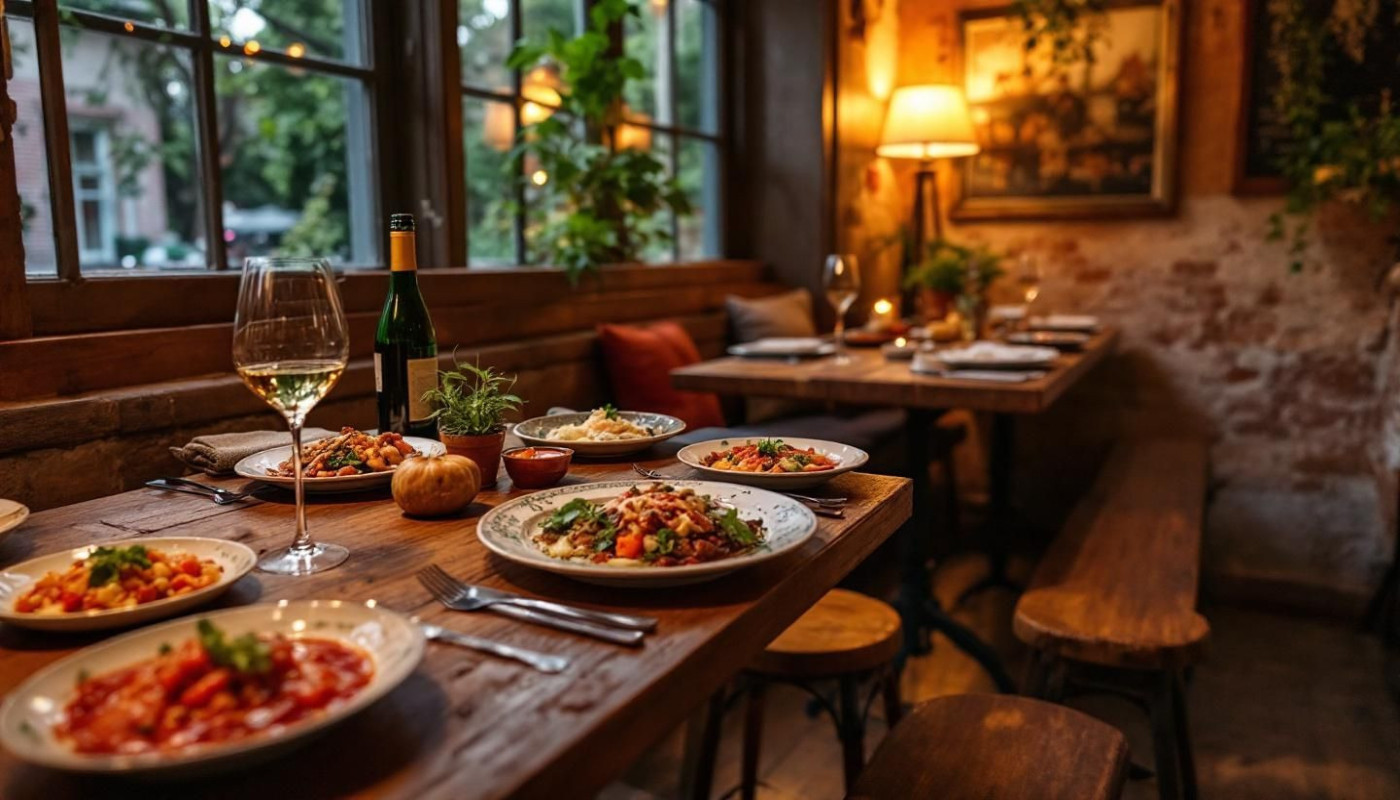
The Italian dining experience is universally cherished for its deep-rooted tradition of hospitality, where a casual Italian restaurant becomes far more than a place to eat—it transforms into a space of genuine warmth, inclusivity, and familiarity. Guests are not simply customers; they are welcomed as family, reflecting a cultural value that prizes making others feel at home. This warm atmosphere is a hallmark of Italian hospitality, manifested in every detail from friendly greetings to attentive, yet unpretentious, service. The setting is typically informal, often featuring rustic decor and communal tables that encourage relaxed conversation, laughter, and a shared enjoyment of authentic Italian food.
In casual Italian dining, conviviality is an essential component, enabling diners to connect over generous portions and family-style dishes. The tradition of sharing antipasti, pizzas, and pastas around the table fosters a lively, communal spirit, blurring the boundaries between guests and hosts. Service in these establishments is designed to be unobtrusive yet caring, focusing less on rigid formality and more on ensuring everyone feels included and comfortable. This approach not only enriches the meal itself but also strengthens the social bonds that are at the heart of Italian culture, reinforcing the idea that dining is as much about people as it is about food.
Whether in a bustling trattoria or a neighborhood osteria, the authentic Italian food served further enhances this sense of hospitality, with recipes often handed down through generations to guarantee a genuine taste of Italy. Establishments around the world strive to replicate this ethos, and those who seek the Best italian in Bangkok will find that some venues capture the very same spirit of welcome and conviviality found in Italy’s own towns and villages. These restaurants prioritize not just quality cuisine but also an environment where every guest feels connected, underlining the enduring appeal of casual Italian dining.
Flavors that tell a story
The menu at casual Italian dining establishments showcases a vibrant tapestry of Italian cuisine, deeply intertwined with the country’s gastronomic heritage. Every dish served, from wood-fired pizza and handmade pasta to rustic antipasti, is a testament to centuries of regional culinary history and the passion for fresh ingredients. These regional dishes often originate from traditional recipes passed down through generations, highlighting the unique flavors and techniques of specific Italian locales. The emphasis on local produce, such as ripe tomatoes, fragrant basil, and creamy cheeses, ensures that even the simplest pizza and pasta plates deliver a memorable sensory experience. Celebrated Italian chefs assert that this dedication to honoring regional roots and using seasonal ingredients is what keeps Italy’s culinary traditions alive in every casual eatery, giving diners a genuine taste of the country’s diverse and storied food culture.
The role of ambiance in dining
Italian restaurant ambiance serves as a subtle yet transformative force in the dinner experience, especially in casual dining settings. The interplay of spatial dynamics—how elements like communal tables, rustic décor, and open kitchens are arranged—establishes a sense of warmth and approachability that defines Italian interiors. Sensory elements go beyond mere aesthetics; gentle lighting, curated background music, and the inviting sounds of simmering sauces or fresh dough being kneaded all blend to enhance the overall enjoyment for guests. This thoughtful orchestration of space and sensation not only fosters a relaxed social atmosphere but also reinforces the authenticity of Italian hospitality, making each visit to a casual Italian restaurant a uniquely immersive occasion.
Pairing food with Italian drinks
Italian wine, with its diverse organoleptic profile, stands out as the perfect companion for a variety of Italian dishes, from rustic pizzas to creamy pastas. A certified Italian sommelier will emphasize that a proper food pairing enhances not only taste but also the aromas and textures of both the food and the beverage. The interplay between regional Italian wine and local specialties—such as a crisp Vermentino with Ligurian seafood or a robust Barolo with Piedmontese beef—demonstrates how thoughtful selection can elevate a casual meal into a memorable experience. Equally, the tradition of starting with an aperitif like Aperol Spritz or Campari-based cocktails prepares the palate, awakening the senses and setting a convivial tone for the meal ahead.
After the main courses, the espresso tradition takes center stage, offering a bold and aromatic finish that complements the lingering flavors of dessert or even a simple biscotto. Italian drinks serve more than a functional role; they are woven into the cultural fabric of mealtimes, symbolizing hospitality and togetherness. Each sip, whether an invigorating espresso or a well-paired Italian wine, deepens the appreciation of the cuisine and enhances the authenticity of a casual Italian dining experience. The careful attention to food pairing and beverages such as aperitif or coffee turns an everyday meal into a sensory journey, inviting diners to explore the nuanced world of Italian gastronomy.
Bringing the experience home
Italian home dining revolves around creating a warm, welcoming atmosphere that celebrates both simplicity and abundance. To infuse the charm of Italian dining into family meals, start by setting the mood: opt for soft lighting, perhaps with candles, play some gentle Italian music in the background, and arrange the table with rustic touches like ceramic plates and bread baskets. When cooking Italian food, select simple Italian recipes that highlight fresh ingredients—dishes such as bruschetta, pasta aglio e olio, or caprese salad capture authentic flavors without requiring advanced skills. Embrace the tradition of mise en place by preparing all ingredients in advance, which streamlines the process and allows more time to enjoy the company of loved ones. Communal dining is an integral part of Italian dining traditions, so encourage everyone to share dishes, pass plates, and linger at the table in conversation. Incorporating small Italian customs, such as serving espresso after the meal or offering a toast to good health, transforms any dinner into a memorable Italian home dining experience.
Similar